



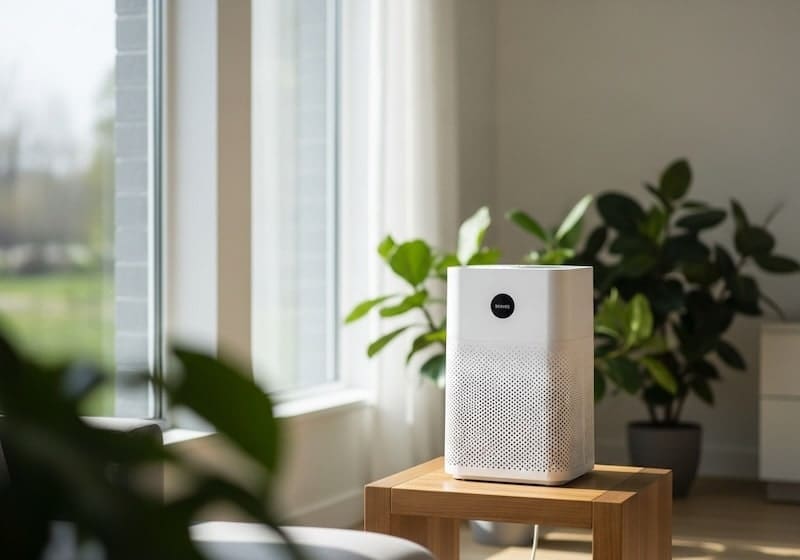

Consider this sobering fact: you likely spend about 90% of your time indoors—at home, in the office, or traveling in vehicles. The air circulating through these enclosed spaces, however, may contain invisible threats that gradually undermine your health. Poor indoor air quality affects millions of people without their knowledge, contributing to everything from persistent morning headaches to chronic respiratory problems.
Clean indoor air forms the cornerstone of daily wellness, directly influencing your respiratory health, sleep quality, and overall productivity. While outdoor pollution typically dominates news headlines, the air within your personal spaces demands consistent attention throughout the year, regardless of external conditions. Fortunately, straightforward solutions exist: enhanced ventilation, systematic cleaning routines, and specialized devices like an air purifier can effectively filter airborne particles and transform your indoor environment into a healthier space through practical, manageable approaches.
Common Sources of Indoor Air Pollution
The contamination lurking in your indoor air originates from a surprisingly wide array of sources that build up through everyday activities. These primary pollutants include:
- Biological contaminants: Dust mites, pet dander, mold spores, and bacteria that thrive in warm, humid conditions
- Chemical emissions: Volatile organic compounds (VOCs) released from furniture, carpets, cleaning products, and fresh paint
- Combustion byproducts: Cooking fumes, candle smoke, and emissions from gas appliances
- Particulate matter: Microscopic particles (PM2.5) small enough to penetrate deep into lung tissue
The EPA emphasizes that these tiny particles—measuring smaller than 2.5 micrometers—present serious health risks precisely because they slip past your body’s natural respiratory defenses. Take, for instance, a family who experienced worsening allergy symptoms after completing home renovations. The source turned out to be off-gassing from new furniture and flooring materials, which were steadily releasing formaldehyde and other VOCs throughout their living space.
Environmental health experts consistently find that indoor pollutant concentrations often surpass outdoor levels by two to five times, underscoring why understanding these sources becomes essential for maintaining healthy living spaces.
Health Impacts of Poor Indoor Air Quality
Contaminated indoor air creates a cascade of health problems that range from immediate discomfort to serious long-term complications. Short-term effects manifest as eye irritation, persistent headaches, unexplained fatigue, and respiratory discomfort—symptoms that many people unfortunately dismiss as minor annoyances. Yet continuous exposure can escalate into far more concerning issues: worsened asthma, cardiovascular stress, and weakened immune system function.
Scientific research has established clear connections between poor indoor air and increased medical visits. In one well-documented case, a family’s ongoing respiratory symptoms completely disappeared after they tackled humidity-related mold growth in their basement. This example perfectly demonstrates how focused improvements can deliver tangible health benefits.
Practical Strategies to Enhance Indoor Air Quality
The most effective approach to improving air quality combines ventilation, cleaning, and humidity control in a coordinated effort. Opening windows strategically creates cross-ventilation that sweeps out stale air, while exhaust fans capture pollutants right at their source. Regular vacuuming with HEPA filters traps allergens before they can circulate, and reducing clutter eliminates surfaces where dust tends to accumulate.
Humidity management deserves special attention—dehumidifiers can prevent mold growth in moisture-prone areas, while certain houseplants naturally absorb excess humidity from the air. If you live in a humid climate, seasonal adjustments become particularly important. This might mean boosting ventilation during steamy summer months and carefully monitoring humidity levels in winter when heating systems tend to dry out indoor air.
Long-Term Habits and Maintenance
Maintaining excellent indoor air quality over time requires thoughtful attention to both building materials and regular upkeep routines. When planning renovations, opt for low-VOC paints, adhesives, and furniture that minimize harmful chemical emissions. Develop monthly maintenance checklists that cover filter replacements, vent cleaning, and humidity checks.
The World Health Organization emphasizes that consistent, manageable actions—such as keeping HVAC systems clean and addressing water leaks promptly—effectively prevent serious air quality problems from taking hold in the first place.
Building Healthier Indoor Environments
Creating better indoor air quality rests on three essential foundations: effective ventilation, consistent cleaning practices, and regular monitoring. These strategies put you in control of your immediate environment without demanding complex renovations or costly equipment. Begin with a straightforward home assessment, then track your progress as you implement these research-backed methods to generate lasting wellness benefits for yourself and your family.